
If you look up the definition of “folx” on the internet, you will most likely find all manner of outrage. From accusations of ‘wokeness’ and ‘inclusivity gone mad’ to the ‘destruction of language’. Is it though?
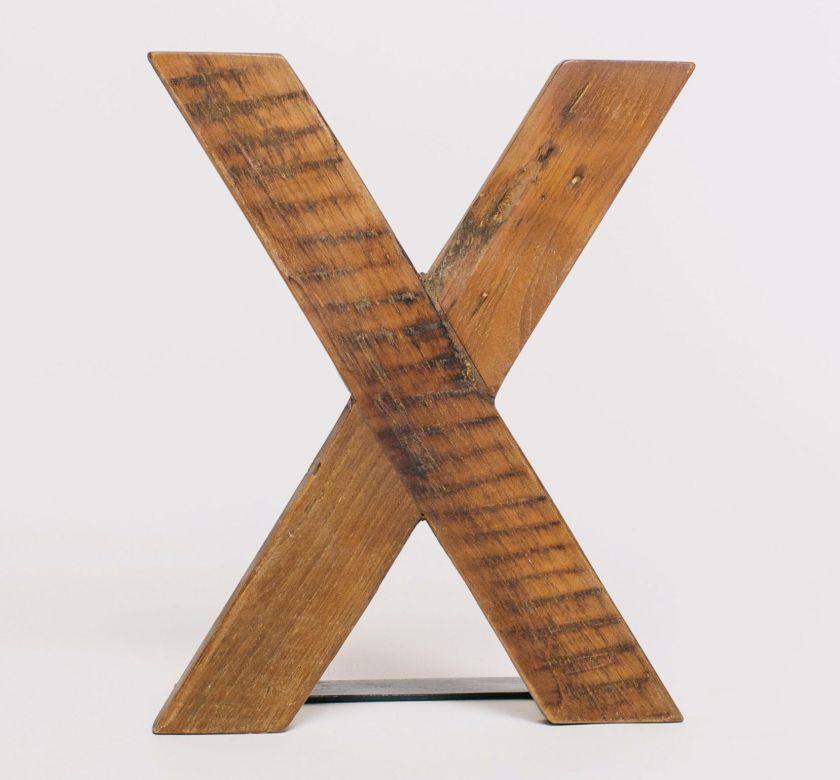
Yes, how you use language can signal that you are part of a particular group or hold particular views, or it can indicate that you spent time in a particular place or region, or simply prefer the word or spelling over other options for reasons – articulated or otherwise. When I first saw the folx spelling, I thought it was cute and felt drawn to using it. I didn’t stop to examine why, I know I am a bit of a language bower-bird, collecting words that appeal to me and working them into my own personal lexicon1.
Brad Rothbert on Quora provided an explanation of the term that makes the most sense to me. He references the fact that, in the USA, the term ‘folks’ is also used to refer to kin or family, as well as ‘the people’ in the sense of ‘folk music’. For me, as an Australian, my most common contact with the work ‘folks’ is as a reference to parents. As a teen and in my early 20’s, the people I was around would refer to ‘our/my folks’ more often than ‘our/my parents’. So, for me, ‘folks’ are definitely ‘adult people’- but they are the subset of adult people that are parents.
As an adult who is not a parent, I feel more comfortable referring to a group of adults as ‘folx’ for this reason – though I know that it will be assumed that I am using the -x version because I am non-binary. If it signals to some people that I am an ally to minority groups, then I am perfectly okay with that too.
Assumptions about why people do things are so often wildly wrong. When it comes to some choices, we often are not sure why we have certain preferences until we have had time to examine an idea more closely. Before deciding to look into the origin of ‘folx’, I would have said – if asked – it was “just a preference”, now it is a preference I understand.
- lexicon /ˈlɛksɪk(ə)n/
the vocabulary of a person, language, or branch of knowledge.
from Oxford Languages

 Bell and Sword