On this site, the idea of a “precarious identity” is a sense of self-integrity, self-understanding, and agency that is at risk of, has been, or is in a ‘state of disruption’ – this may or may not be due to, or result in, disorder in any clinical sense.
There are times in life when many people experience some “uncertainty” about their identity but there are people for whom identity is more often “not securely held or in position”. The adjective “precarious” indicates that a thing being described may be “dependent on chance” [Oxford Languages, 2022] – the chances that impact our sense of self are varied and sometimes unique. A passing comment for one person can be the thing that breaks the final thread in another person’s sense of self.
Some people have a strong sense of who they are. For them, the idea that a person could question any aspect of their sense of self can be difficult to understand. For others, we are often left to wonder who we are. It is this sense of self-identity that is of interest to me, particularly as someone who identifies as a non-binary person. My sense of gender was, for many decades, lacking a socially acceptable ‘bucket’ for others to put it in – leading to much introspection on my part.
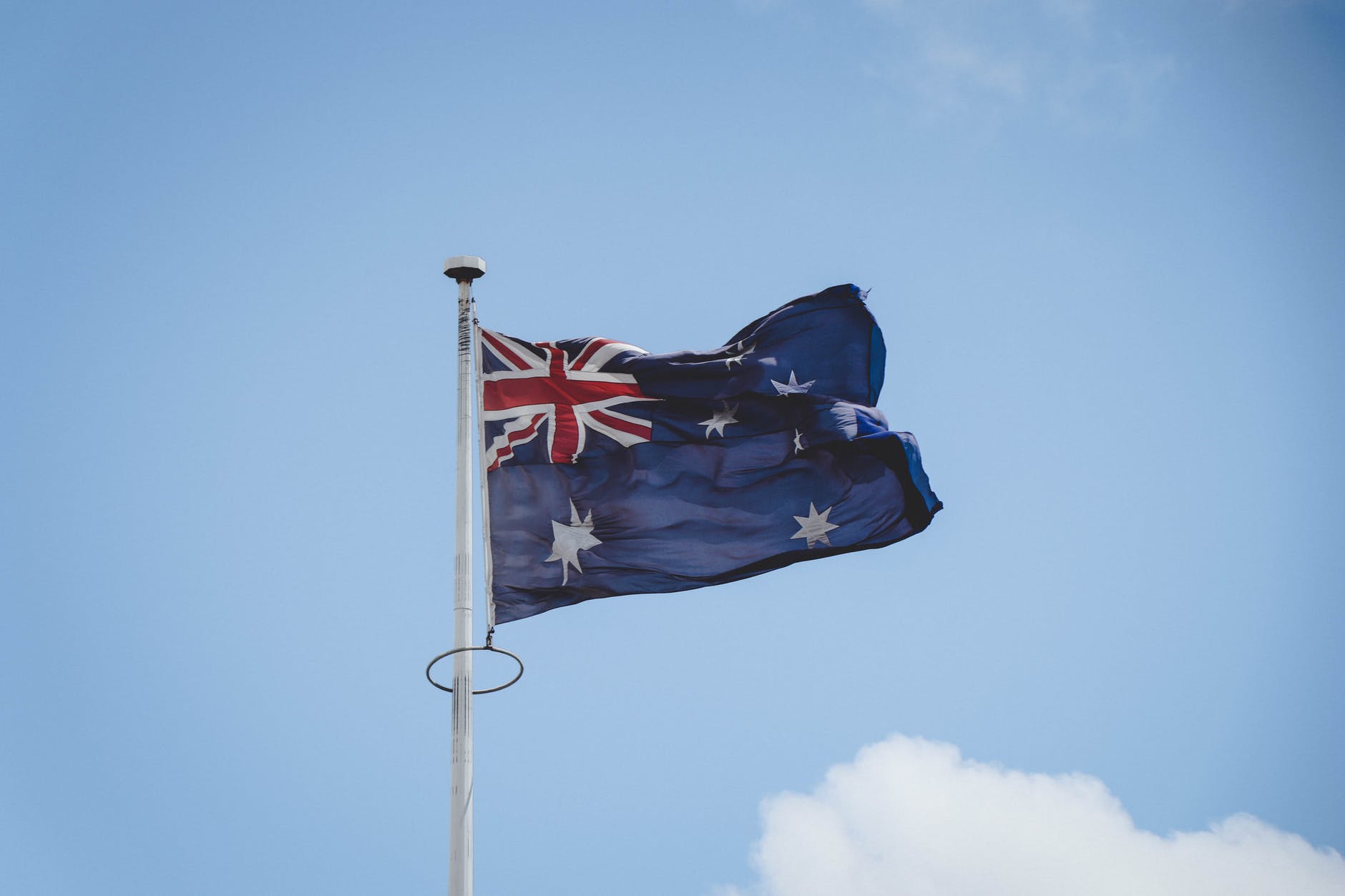
In the Australia in which I grew up, a purportedly secular democracy that has trouble recognising our first nations peoples and cultures, the separation between “church” and “state” has been narrowing at a disturbing pace. I feel it is important to note that it is not ‘all religions’ or ‘newly arrived religions’ muscling in on Australian governance practices too. I am not sure it is even fair to characterise it as “Christian religions” in a blanket sense, though those doing the pushing seem to represent as if they would like us to think they speak for “all Christians”. The faction(s) arguing, erroneously, that Australia is a “Christian Nation” repeatedly introduce divisive and damaging bills into parliament and, given how they behave when it comes to voting on them, it is hard to ignore the evidence that suggests that the main point of these bills is to be as divisive and damaging as possible. I would like to think it is the raucous noise of a dwindling minority as they fade into obscurity and lose a power they abused for too long – but do fear this may not be the case.
For most Australians, these issues are just a cycle in the news media. For members of the targeted groups, many of whom experience precarity (a state of persistent insecurity with regard to employment or income. [Oxford Languages, 2022]) and its associated risks, it has felt more like a relentless, strategised, onslaught against their existence and ability to participate in Australian society. I have been asked, and seen it asked in Australian media, why such issues matter if they affect so few people – my reply is that the cyclical nature of the reintroduction of these discriminative bills has been strategic in two ways. It makes the general public weary of the “theme” and allows the groups putting forward the legislation to chip away at the progressive changes made over the last few decades via misappropriation of the language of discrimination and marginalisation. It is only through understanding, empathy, tolerance, and allyship that organisations with deep ties to power that go back over decades, if not to the European colonisation of this land, and are entwined in mutual benefit can be withstood. Their goal is to weary the populace by entrenching the us vs them narrative that has served these social power structures so well.

 Bell and Sword